
You close the laptop. Your body comes home. The rest of you is still in the meeting. Being present at home is the part no one prepares you for.
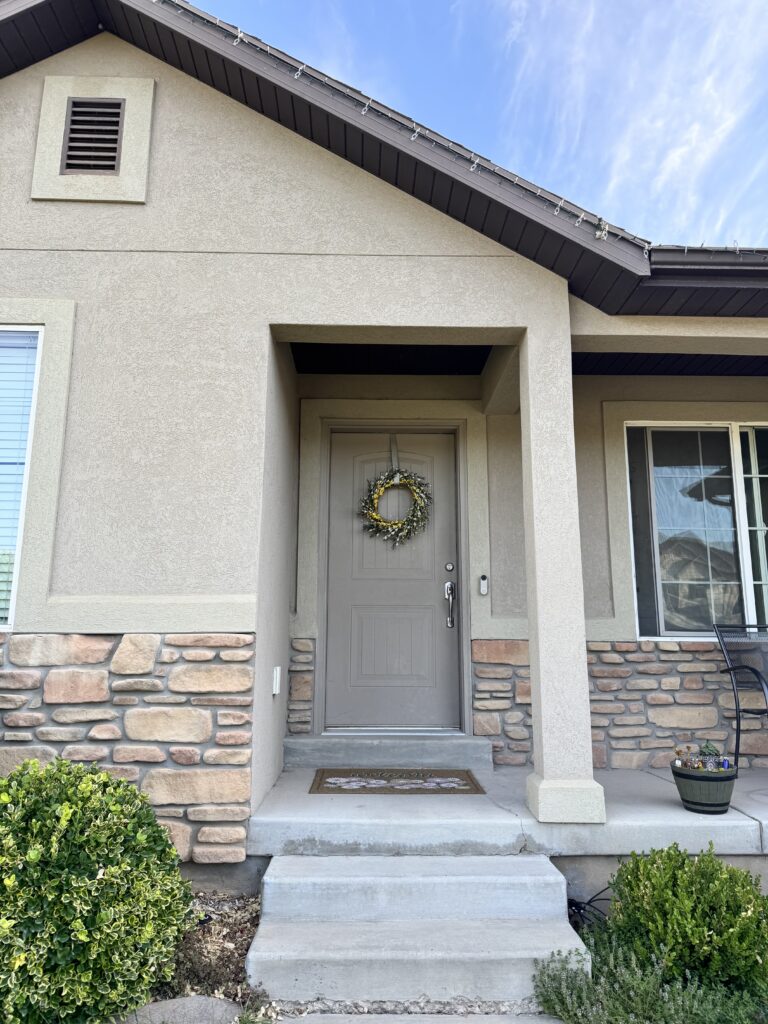
The hardest transition of a working parent’s day isn’t the commute. It’s the ten feet between the car and the front door. Most of us walk through carrying the whole day with us, and the people inside get whatever is left. This is the quiet edge of work-life balance that no calendar solves. Closing the wilderness gap, the distance between how you think you show up at home and how you actually do, often comes down to that one threshold. Being present at home is usually won or lost right there.
Here are four questions to ask yourself in the driveway before you go in. The whole practice takes about a minute.
1. Who do my kids need me to be right now?
Not who you were in the meeting. Not the version running the numbers. The person your family needs at six o’clock is usually softer and slower than the one who just closed the day. Decide who that is before you open the door.
2. What is the first face I am going to make when I walk in?
Your family reads your expression before you say a word. A distracted frown sets the tone for the whole evening. Choose the face you want them to see.
3. Am I bringing the day in with me, or leaving it in the car?
The unfinished email, the tense call, the problem you did not solve. It will still be there in the morning. Leave it on the passenger seat.
4. If tonight was the memory they kept of me, would I want it?
Most nights feel ordinary. But your kids are not keeping score of the big moments. They are absorbing the ordinary ones. Ask whether tonight is one you would be glad they remember.
The good news about being present at home
You do not need more hours to be a present parent. You need a better threshold. Sixty seconds in the driveway can change the entire evening, because it changes who walks through the door.
Frequently asked questions
How can I be more present with my kids after work?
Create a deliberate transition between work and home. A short pause before you walk in, where you decide who your family needs you to be and consciously set the workday down, helps you arrive as a parent rather than a tired employee.
Why do I feel disconnected from my family even when I am home?
Being physically home is not the same as being present. When your attention is still on work, your family experiences your absence even while you are in the room. That gap between showing up and being there is what closes with intentional practice.
What is the wilderness gap?
The wilderness gap is the distance between how a leader or parent thinks they show up and how they actually show up, at work and at home. Closing it is the focus of John Bishoff’s coaching and wilderness retreats.
Want the longer story behind this work? Read the essays at Above the Treeline, or go deeper on the wilderness gap. Ready to close the gap in person? Each season I take fathers and leaders into the desert. Explore the Moab Journey and retreats.
John Bishoff is a behavioral scientist, executive, and father. He helps executives, CEOs, and founders close the wilderness gap through one-on-one coaching and wilderness retreats, so they show up as the same person at work and at home.